In a country with such a rich visual heritage, where tradition and modernity coexist, logos have become part of the landscape of our everyday lives. They are often recognized, but rarely appreciated.
In this article, we delve into the portfolios of the best Portuguese logo designers—visionaries who not only shaped the national visual narrative, but also built bridges between generations through icons that have stood the test of time.
7. Ricardo Daniel
É designer gráfico, fundador e diretor criativo do ERD. He is a graphic designer, founder, and creative director of ERD.
After a career in fashion and advertising, he devoted himself exclusively to the creation of brands and logos from 2011 onwards. In 2016, he founded the studio, which has since established itself in Portugal’s branding landscape. Among the most notable projects of his career are the rebranding of MCoutinho and the new logo for Torre dos Clérigos. MCoutinho e o novo logótipo da Torre dos Clérigos.
With an openly modernist approach and a strong inclination towards geometric forms, Ricardo Daniel believes that a good brand should, above all, be timeless. His portfolio can be viewed at erd.pt/logos. erd.pt/logos.
6. Rafael Serra
Designer and illustrator with a highly expressive vision. Throughout his career as a freelancer, he has worked with several companies, including Aspera Hartmann, QA Publicidade, GenDesign Studio, and Leo Burnett Lisboa.
His work stands out for its strong dynamism and creative approach: he often starts with existing brands to develop fictional rebrandings. By combining illustration, typography, and graphic composition, he creates pieces with a geometric aesthetic, characterized by retro and harmonious colors, resulting in a distinctive visual identity. His work has become a phenomenon on social media: recently, he created a rebranding of the Oscars festival logo that garnered approximately 30,000 likes on Instagram.
This graphic designer is undoubtedly a relevant creative force in today’s design and illustration landscape.
5. André Clemente
André Clemente is a graphic designer dedicated to brand identity. With 30 years of experience in the field, he has worked across most areas of graphic design. He has been creative director at some of Portugal’s leading design studios, such as Gabinete Moura-George de Design and A Fábrica Design Consultants, as well as design coordinator at the publishing house of the Portuguese Ministry of Education.
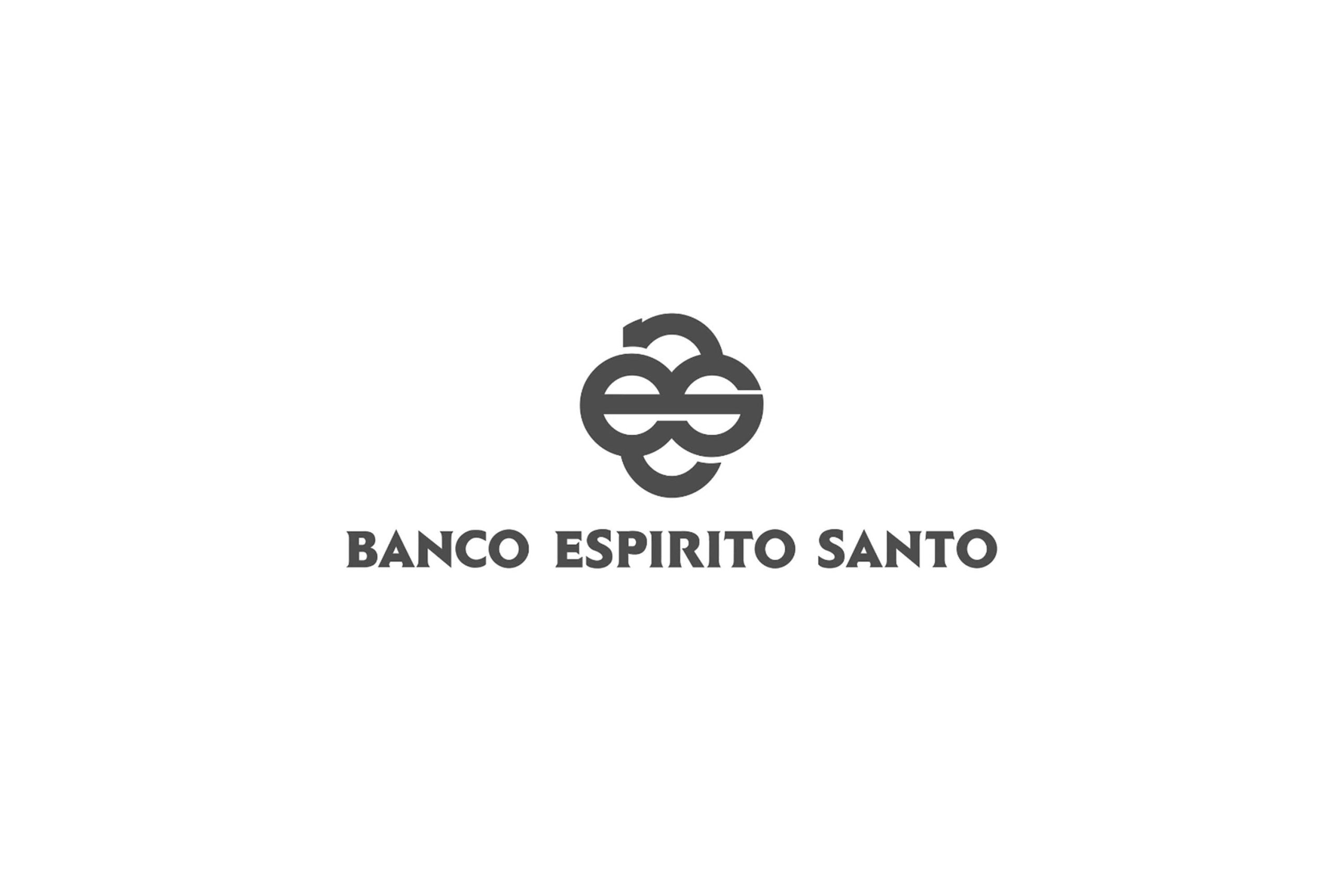
He has designed major brands in Portugal, including Banco Espírito Santo and Império Bonança Seguros. He has also been involved in the development of brands for institutions such as the Ministry of Finance and the Ministry of Education.
Today, André works as a freelancer, continuing to be one of the leading references in visual identity design in Portugal.
4. Miguel Guedes
This graphic designer’s work spans various aspects of branding, with a particular focus on creating strong and memorable visual identities. One of the most emblematic examples is Multibanco’s mascot, Multinho. This character stands out for its formal simplicity and approachable personality, making it instantly recognizable to the public.
This project highlights the importance of visual identity in communicating effectively with users, as it facilitates immediate recognition and strengthens brand recall. The use of colors associated with Multibanco, combined with a friendly expression and accessible visual language, helps convey trust and familiarity, strengthening the relationship between the brand and its audience.
Overall, this designer’s work stands out for its ability to transform concepts into consistent visual solutions, reinforcing the value of branding as an essential tool for communication and differentiation in the market.
3. Gonçalo Cabral
He is a graphic designer and creative director specializing in branding. He has created some of Portugal’s most prominent brands, including TAP Portugal and CTT Correios.
In the past, Gonçalo was design director at the digital marketing agency Brandia and co-founder of Born. He currently works alongside graphic designer Teresa Nunes at the agency Uma, ranked by the European Design Awards among the Top 5 agencies in Portugal and Top 100 in Europe.
His work is notable for the creation of cohesive and consistent visual identities. Combining creativity, strategy, and attention to detail, Gonçalo Cabral continues to set high standards of excellence in branding and visual communication, both in Portugal and across Europe.
2. Eduardo Aires
The first person to earn a PhD in Design from the Faculty of Fine Arts of the University of Porto, Eduardo Aires stands out on the national scene for his talent and creative vision applied to highly significant projects.
Founder of Studio Eduardo Aires, based in Porto, he has developed numerous landmark projects, including the visual identities of the Portuguese Republic and the city of Porto. These projects demonstrate his focus on the applicability and functionality of design, creating versatile visual systems capable of adapting consistently across different media, from digital and editorial to environmental applications.
His work has established itself as a reference in contemporary Portuguese design, particularly in institutional and cultural branding, distinguished by a combination of conceptual rigor, visual clarity, and communicative effectiveness.
1. Carlos Rocha
Carlos Rocha (1943–2016) was one of the central figures in identity design in Portugal. Founder of the Letra Design studio, he created some of the most recognizable brands in the Portuguese graphic landscape.
Throughout his career, he developed visual identities and graphic systems defined by consistency, versatility, and attention to detail. He demonstrated a rigorous command of fundamental design elements such as typography, composition, grids, and visual hierarchy, applying them to ensure clarity, legibility, and impact.
There is, however, a simple reason why he takes the top spot. Among all the designers on this list, he is the only one to have achieved what many aspire to: a form of graphic immortality.
His symbols remain in use decades after they were created. When that happens, a logo ceases to be merely a drawing and becomes part of a country’s visual memory.
Conclusion
Through the work of these seven Portuguese designers, we can see how design in Portugal has established itself: consistent, thoughtful, and capable of engaging with the world.